
Full-Service Ethnic Skin Care in Los Angeles, CA
One of the most persistent myths in skincare is that deeper skin tones are naturally resilient enough to skip specialized care. They are not. Los Angeles's year-round UV exposure, dry Santa Ana winds, and high pollution index all accelerate hyperpigmentation, melasma, and post-inflammatory scarring in skin of color. JASI Skin + Wellness Med Spa was built specifically to address those conditions, with treatment modalities calibrated for the full spectrum of melanin-rich skin. Our licensed estheticians and nurse practitioners provide medical-grade ethnic skin care in Los Angeles, CA, targeting the exact mechanisms that generic spas routinely overlook.
Ready to see what the right treatment protocol can do for your skin? Call us at (424) 478-0522 to schedule your visit.
Book a VisitSpecialized Skin Care for Skin of Color in Los Angeles, CA
The science is clear on why deeper complexions need a different approach. Melanin-rich skin contains larger, more dispersed melanosomes that produce more pigment per cell. That biology raises your risk of post-inflammatory hyperpigmentation (PIH) significantly after any inflammatory event, including aggressive treatments designed for lighter skin types. Generic protocols cause real damage here.
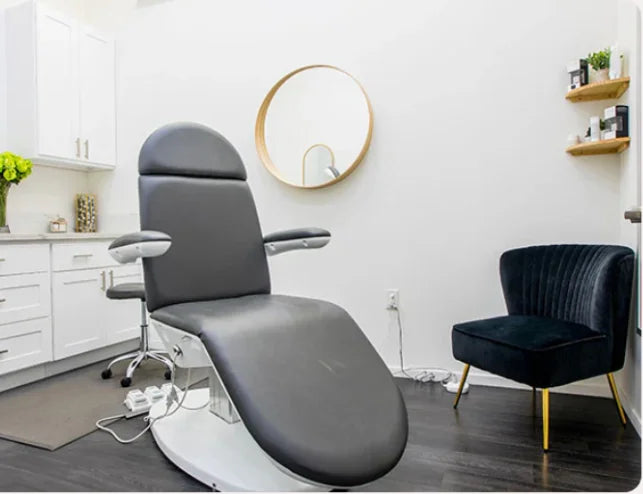
We built our skin of color treatments around Fitzpatrick types IV through VI specifically. That means every treatment modality we select, from chemical peel concentrations to laser wavelengths, is calibrated for how these skin types actually respond. Not adapted after the fact. Designed from the start.
Communities across the LA area, including Ladera Heights, Inglewood, Koreatown, and Boyle Heights, are majority skin of color. Standard cookie-cutter skincare routinely falls short for these patients. Conditions like melasma, PIH, and acne scarring are common, and they require a provider who understands the difference. Our acne treatment in Los Angeles protocols, for example, are specifically adjusted to prevent the PIH that often follows breakouts in darker complexions.
Since opening, JASI Skin + Wellness Med Spa has earned 320 five-star reviews and a 5.0 average rating from patients across Southern California. We treat every patient under licensed medical oversight at our office at 811 W St Johns Ave. That trust matters to us. Schedule a skin consultation and let us examine what your skin actually needs.
What Makes Ethnic Skin Care Different?
Ethnic skin care addresses the specific physiological differences in melanin-rich skin that make standard treatment protocols inadequate or potentially harmful. This is not a matter of preference or sensitivity. It is biology, and ignoring it causes real damage, which is why LA-area patients with deeper skin tones benefit from a provider who treats these differences by design.
The Science of Melanosomes and Post-Inflammatory Hyperpigmentation
Deeper skin tones contain melanosomes, the organelles that produce and store pigment, that are larger, more numerous, and more evenly distributed throughout the epidermis than in lighter skin types. That density is protective against UV damage in some respects. But it also means the skin's melanocytes are primed to react to any inflammatory signal. Laser energy applied at the wrong wavelength, aggressive chemical exfoliation, or microneedling at incorrect depth settings can all trigger melanocyte overactivation. The result is post-inflammatory hyperpigmentation, or PIH, a darkening of the treated area that can take months to resolve and, in some cases, becomes permanent without proper intervention. Fitzpatrick types IV through VI are most susceptible to this response.
Why Standard Protocols Often Fail Darker Skin Tones
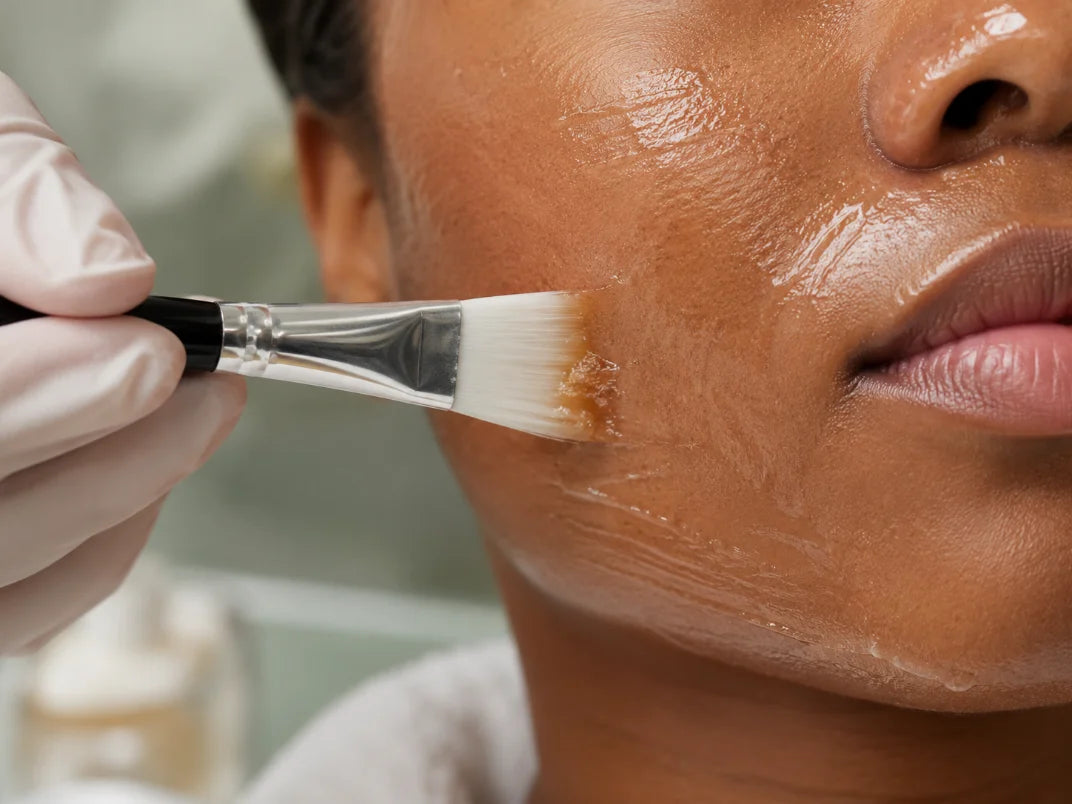
Most laser wavelengths, peel concentrations, and microneedling protocols were developed and tested predominantly on lighter skin types. Applying those same parameters to this patient population without adjustment can produce paradoxical darkening, scarring, or prolonged redness rather than the improvement a patient came in for. That is the most common reason LA-area patients arrive here after a bad experience at a generic spa. Our providers assess your Fitzpatrick type before selecting any treatment modality. For chemical exfoliation specifically, the formulation, pH, and application time all require modification. Our chemical peels in Los Angeles are selected and calibrated with that in mind.
Not sure which treatment fits your skin type? Our specialists will assess your Fitzpatrick type and build a custom protocol with no guesswork.
Conditions Most Commonly Seen in Skin of Color
Certain conditions appear far more frequently in patients with deeper complexions, and the Southern California climate makes several of them worse. The UV index in the greater LA area is among the highest in the continental US year-round, which means melanocyte activity rarely gets a break.
Hyperpigmentation: Excess melanin deposits unevenly in the skin, producing dark patches that deepen with sun exposure and are harder to treat in denser melanosome environments.
Post-Inflammatory Hyperpigmentation (PIH): Any skin trauma, including acne, a cut, or an incorrectly applied treatment, triggers melanocyte activity that leaves a dark mark long after the original injury heals.
Melasma: Hormonal fluctuations combined with UV exposure drive this condition, and persistent sun exposure across the South Bay and into the Westside makes melasma especially difficult to keep controlled.
Acne Scarring: Deeper melanin distribution means post-acne marks are darker and last longer in skin of color than in lighter skin types.
Keloid-Prone Skin: Deeper skin tones have a higher tendency toward keloid and hypertrophic scar formation, which directly affects which treatment modalities are safe to apply.
Uneven Skin Tone: Irregular melanin distribution produces patchy tone that standard brightening protocols often worsen by triggering additional inflammation.
Treatments We Offer for Ethnic and Melanin-Rich Skin in Los Angeles
Most med spas in the greater LA area use default device settings and standard peel concentrations built around lighter Fitzpatrick types. Our team built its protocols around the actual patient population we serve, which skews heavily toward Fitzpatrick types IV through VI. That difference in approach changes every treatment decision we make, from needle depth to laser wavelength to acid concentration.
HydraFacial for Deeper Skin Tones
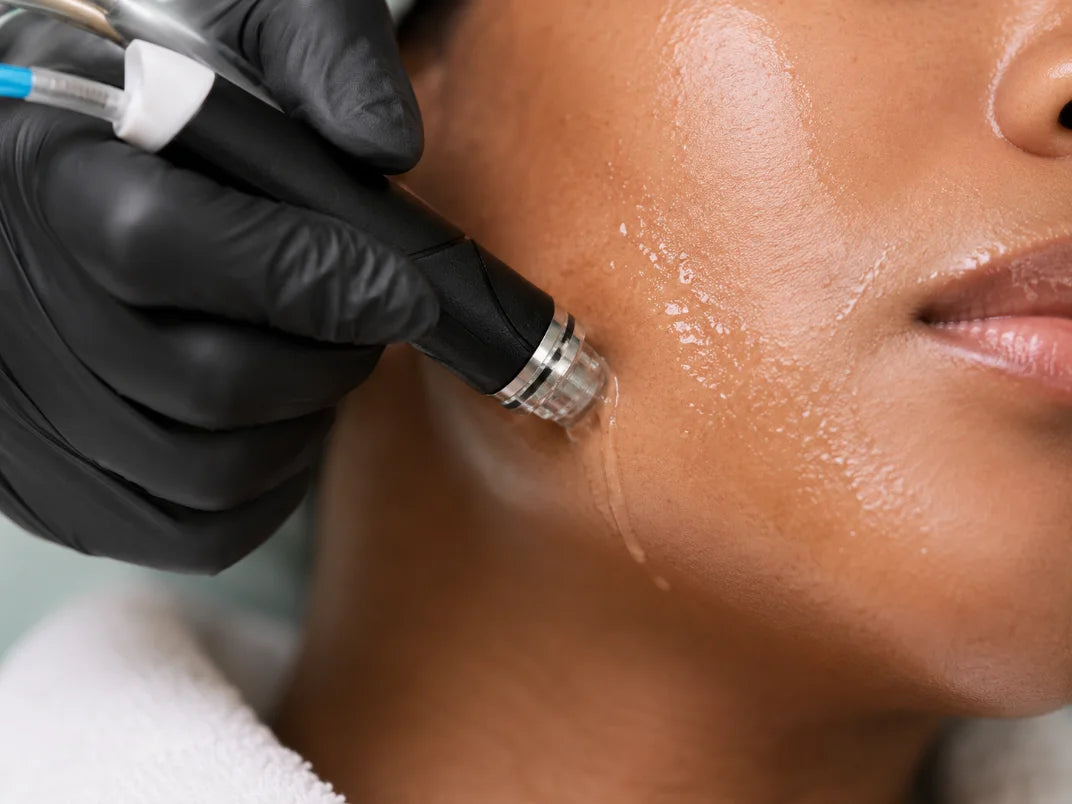
A HydraFacial uses vortex-fusion technology to cleanse, extract, and infuse serums in a single continuous pass. There is no heat involved and no inflammatory trigger, which matters because both heat and inflammation are primary drivers of post-inflammatory hyperpigmentation (PIH) in skin of color. Your specialist selects brightening boosters with kojic acid or vitamin C derivatives to target uneven tone and existing hyperpigmentation. The treatment is non-ablative and safe across all Fitzpatrick types, making it a reliable entry point for patients who are cautious about more aggressive modalities.
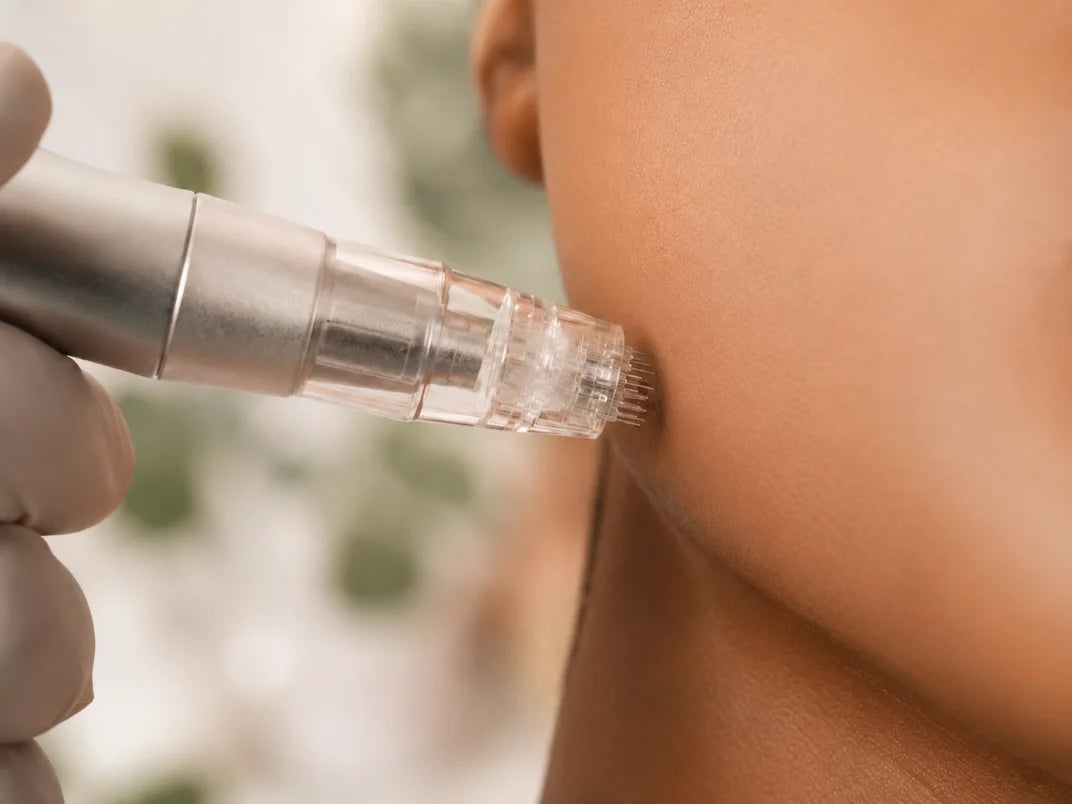
Microneedling with PRP and PRF Therapies
Standard heat-based resurfacing devices activate melanocytes and raise your PIH risk significantly. Microneedling sidesteps that problem entirely. It creates precise, controlled micro-injuries that stimulate collagen production through a mechanical process, not a thermal one. For acne scarring and textural irregularities common in darker complexions, this distinction is critical. Pairing microneedling with PRF and PRP treatments adds growth factors that amplify the regenerative potential of each session. Your specialist calibrates needle depth and speed to your specific skin thickness and Fitzpatrick type, because those variables directly affect both results and safety.
Ethnic Skin Care by Concern and Skin Type
Hyperpigmentation and Melasma
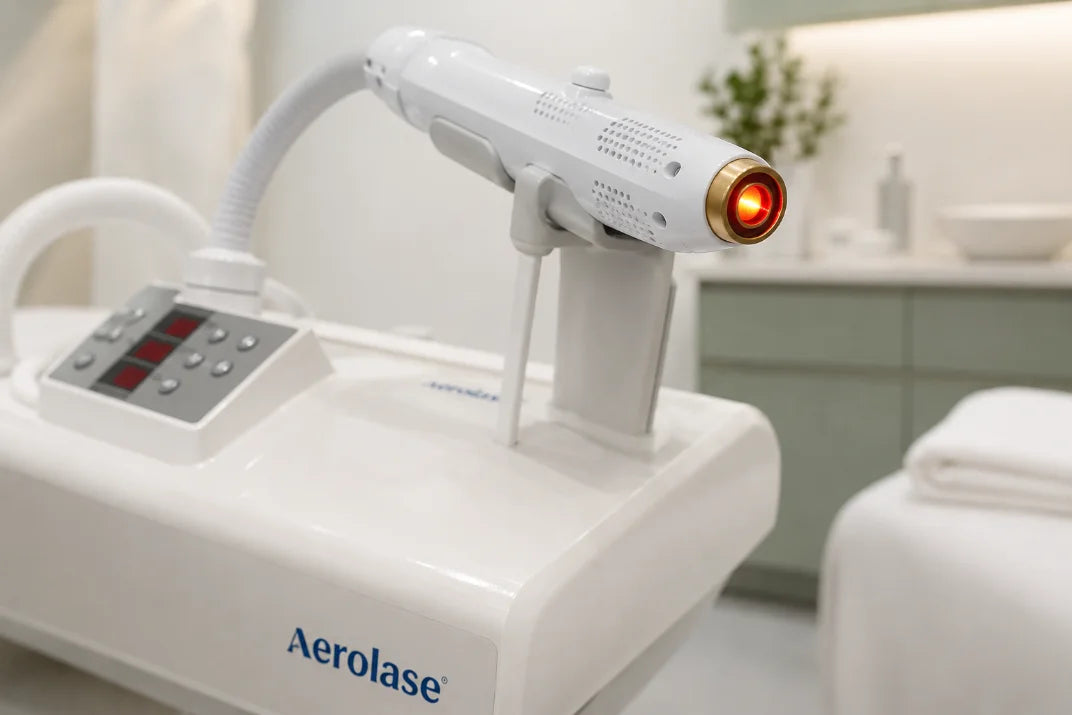
Melasma and diffuse hyperpigmentation on deeper skin tones do not respond to a single treatment. Your best results come from a coordinated application of complementary therapies working together over time. A typical protocol combines a brightening HydraFacial series with Aerolase laser sessions and a medical-grade topical regimen tailored to your Fitzpatrick type.
If you live or work outdoors in Los Angeles neighborhoods like Inglewood or Koreatown, sun protection is non-negotiable after every session. Southern California's year-round UV intensity directly stimulates melanocyte activity and reverses treatment progress faster than almost any other factor. Your specialist will build a post-treatment sun protection plan that accounts for the local climate, not just hand you a generic SPF recommendation.
Acne and Post-Acne Scarring on Darker Skin
Acne in skin of color almost always leaves behind post-inflammatory hyperpigmentation that can persist for months or years without targeted treatment. The concern is not just the breakout itself. It is the dark mark that stays long after the blemish clears.
Our approach to acne treatment in Los Angeles addresses both active breakouts and residual scarring through a combination of chemical peels, microneedling with platelet-derived therapies, and Aerolase laser where appropriate for your skin type. Aggressive extraction and high-heat treatments are avoided. In predisposed patients, those methods increase keloid formation risk and can deepen existing discoloration rather than correct it.
Anti-Aging and Volume Restoration for Deeper Complexions
Skin of color tends to age differently than lighter skin tones. Volume loss and skin laxity often appear before fine lines do, which means the most effective anti-aging strategy for your skin may center on injectables and biostimulators rather than resurfacing alone. Sculptra in Los Angeles and Radiesse stimulate collagen production gradually, working well with the denser dermal architecture common in darker skin types. Dermal fillers restore midface volume and define the jawline without discoloration risk.
Facial balancing for these patients considers ethnic anatomical norms. The goal is never to alter your natural features. It is to restore what time has changed while honoring the proportions that define your face. Aesthetic norms vary across the diverse communities of the greater LA area, and your specialist takes that into account before recommending any treatment plan.
Your skin deserves a provider who understands its biology. Call us at (424) 478-0522 or book a consultation online to talk through your concerns with our team. We see patients at our office at 811 W St Johns Ave and we are ready to build a protocol that works for your skin type, your concerns, and your goals.
Explore Our Full Range of Services
Aerolase
Aerolase® Laser TherapyLaser Hair Removal
Laser Hair RemovalPRF & EZ Gel
PRF & PRP TreatmentsMicroneedling
MicroneedlingHair Health
Hair RestorationAreas We Serve
JASI Clinic, Los Angeles
11695 National Blvd.
Los Angeles, CA 90064
JASI Clinic, Torrance
21250 Hawthorne Blvd, Suite 170 - Studio 107,
Torrance, CA 90503
JASI Clinic, Las Vegas
8861 W Sahara Ave, Suite 190
Las Vegas, NV 89117
See What Our Customers Have To Say

Ready to Get Started with JASI Skin + Wellness Med Spa?
Call (424) 478-0522 to speak with our team directly. We're ready to answer your questions, walk you through your options, and help you find the right solution for your needs. Whether you're just starting to plan or ready to move forward, we'll make the process simple and stress-free.
Reach out today and let's talk about how we can help.
Frequently Asked Questions
Most clients at JASI Skin + Wellness Med Spa begin noticing visible improvements after two to four sessions, though the exact number depends on the condition being treated and its severity. Hyperpigmentation and melasma often require a longer series of treatments spaced several weeks apart to prevent triggering additional pigment response. Your provider will build a personalized treatment timeline during your initial consultation.
Combining certain treatments, such as a HydraFacial followed by a targeted serum infusion, is generally safe and common at JASI Skin + Wellness Med Spa. However, pairing more aggressive modalities like microneedling and a chemical peel on the same day is typically avoided for deeper skin tones, since layering treatments can increase inflammation and raise the risk of post-inflammatory hyperpigmentation. Your provider will recommend a sequenced plan that spaces higher-intensity treatments appropriately.
In the 48 to 72 hours following most professional treatments, you should avoid direct sun exposure, heavy sweating from exercise, and any active ingredients like retinoids or exfoliating acids unless your provider specifically clears them. Wearing a broad-spectrum SPF 30 or higher every day is especially critical for darker skin tones, since UV exposure is one of the leading triggers for pigmentation flare-ups after treatment. JASI Skin + Wellness Med Spa provides detailed aftercare instructions tailored to the specific treatment you received.
Yes, but the approach may shift slightly with the seasons. Los Angeles has high UV index levels for much of the year, so providers at JASI Skin + Wellness Med Spa often time more intensive treatments, such as certain chemical peels, for fall and winter months when sun exposure is easier to limit. Gentler maintenance treatments like HydraFacials can safely be performed throughout the year with proper sun protection in place.
Absolutely. Fitzpatrick skin types III through VI all include individuals with olive, Mediterranean, South Asian, Middle Eastern, and mixed-heritage complexions. These skin tones share a heightened sensitivity to inflammation and pigmentation triggers regardless of how light or dark they appear. JASI Skin + Wellness Med Spa assesses each client individually rather than relying on a general skin tone category alone.
Pricing varies based on the treatment type, the number of sessions recommended, and any add-ons such as PRP or PRF therapy. Single sessions for services like HydraFacial or Aerolase laser treatments are generally priced individually, while package options are often available for clients committing to a multi-session plan. JASI Skin + Wellness Med Spa encourages prospective clients to schedule a consultation so they receive an accurate, personalized cost estimate rather than a general price range.
Medical spa treatments are considered elective cosmetic procedures in most cases and are not covered by standard health insurance plans. However, certain conditions like severe cystic acne may have some overlap with medical dermatology billing, so it is worth checking with your insurance provider. JASI Skin + Wellness Med Spa can discuss flexible payment options and financing during your consultation to help make your treatment plan accessible.