
Medical-Grade Chemical Peels in Los Angeles, CA
JASI Skin + Wellness Med Spa delivers clinical-grade chemical peel treatments that address diverse skin concerns through controlled exfoliation and cellular regeneration. Our experienced practitioners provide customized acid formulations ranging from no-downtime options to medium-depth resurfacing protocols. Not every peel fits every skin type or concern. The protocol we recommend is based on what your skin actually needs, not what is simplest to apply.
Call us at (424) 478-0522 to schedule your consultation and find out which peel will achieve your skincare objectives.
Book a ConsultationChemical Peels at JASI Skin + Wellness Med Spa
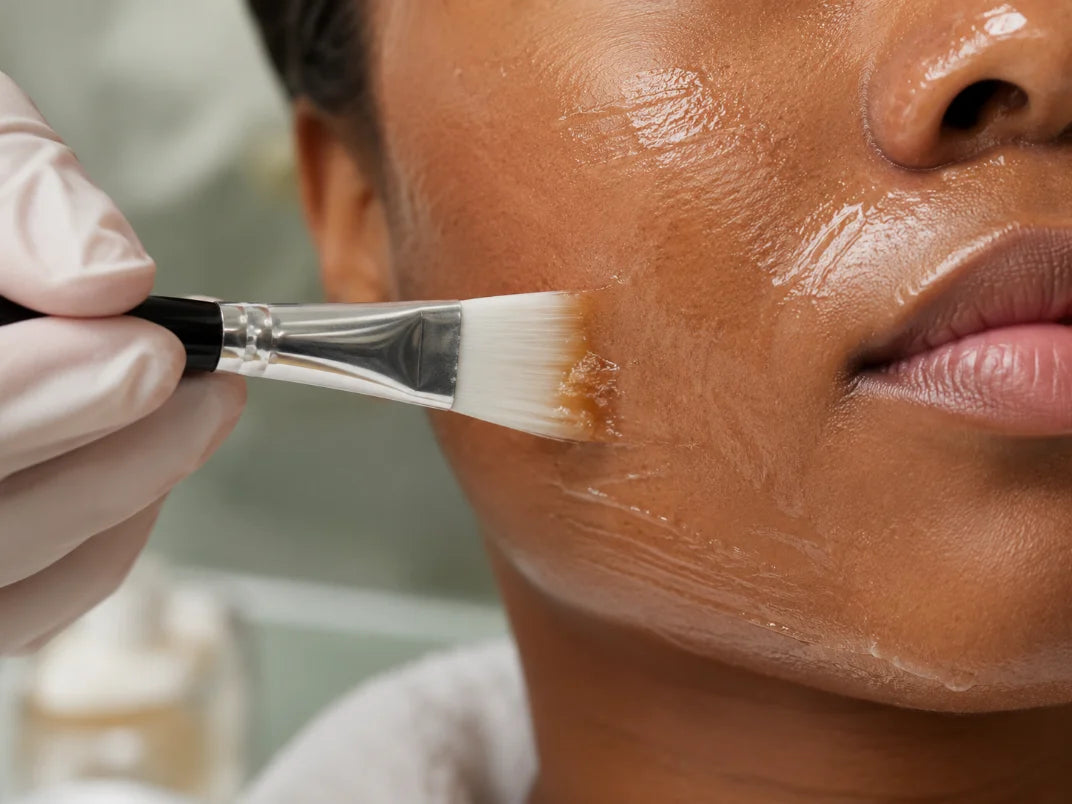
Chemical peels work by applying an acid solution to the skin at a controlled concentration and depth. The acid breaks the bonds between dead skin cells, triggering exfoliation and stimulating the body's repair response beneath the surface. Depending on the peel type and depth, that repair response ranges from a subtle glow and improved hydration to significant collagen remodeling and scar revision.
Peel selection is the most important decision in the process. Salicylic acid penetrates sebaceous follicles and is the right tool for oily and acne-prone skin. Mandelic acid works more gradually and is gentler for melanin-rich skin that needs brightening without triggering reactive pigmentation. TCA and combination peels like VI Peel address deeper concerns including established photodamage, melasma, and moderate scarring.
BioRePeel represents an advancement in the category. It uses a biphasic formula that combines lipophilic and hydrophilic components to penetrate different skin layers simultaneously, delivering exfoliation and bio-stimulation without the visible peeling and downtime of traditional medium-depth peels. For patients with melanin-rich skin, our skin of color protocols guide every peel selection to minimize PIH risk.
Which Chemical Peel Is Right for Your Skin Concern?
Every acid behaves differently in skin. Matching the acid to the concern is what produces consistent results and avoids complications, particularly for patients with melanin-rich skin where the wrong choice can worsen pigmentation.
BioRePeel: No Downtime, All Skin Types
BioRePeel is an Italian biphasic formulation that combines TCA with amino acids, vitamins, and biostimulating compounds. The lipophilic component penetrates the dermis for bio-stimulation; the hydrophilic component exfoliates the surface. The result is cellular renewal and collagen support with no visible peeling and no social downtime, making it safe across Fitzpatrick types I through VI.
It is a strong option for patients who want real improvement without a recovery week, and for melanin-rich skin types that cannot safely tolerate more aggressive peeling protocols. Results are visible within the first week and continue building over the following month.
VI Peel and TCA: Medium-Depth Resurfacing
The VI Peel combines trichloroacetic acid, retinoic acid, salicylic acid, phenol, and vitamin C. It penetrates through the epidermis into the superficial papillary dermis, stimulating collagen remodeling that addresses established concerns including melasma, acne scarring, and photodamage. Most patients experience five to seven days of visible peeling.
Standalone TCA peels give your provider precise control over penetration depth. These stronger peels deliver results that are not achievable with surface-only options, but they require appropriate patient selection and post-care.
Not sure which peel is right for your skin? Book a consultation and your specialist will match the formula to your specific concern and Fitzpatrick type.
Salicylic and Glycolic: Targeted Surface Peels
Salicylic acid is oil-soluble, which means it penetrates directly into sebaceous follicles rather than staying on the surface. This makes it the most effective peel acid for oily and acne-prone skin. Concentrations between 20 and 30 percent address inflammatory lesions and comedones while reducing bacterial load inside the follicle.
Glycolic acid delivers surface renewal through accelerated desquamation. It works well for dull, dehydrated skin and mild photodamage. Regular glycolic treatments maintain cellular turnover rates that decline with age. Both are appropriate as standalone treatments or as preparatory peels before a more intensive protocol.
Peel Options by Skin Concern
The right peel depends on what you are treating, your Fitzpatrick type, and how much downtime you can accommodate. Here is how the major formulations map to common concerns.
Acne, Oiliness, and Congestion
Best choice: Salicylic Peel. Oil-soluble beta-hydroxy acid penetrates follicles directly, dissolving the sebum and debris that drive comedone formation. Anti-inflammatory properties complement the exfoliation, reducing the severity of active lesions while preventing new ones from forming.
For patients with both active acne and existing PIH, BioRePeel is often a safer starting point because it delivers meaningful improvement without the inflammatory response that can worsen dark spots.
Hyperpigmentation, Melasma, and PIH
Best choice: BioRePeel or VI Peel, depending on depth needed. For patients with melanin-rich skin managing post-inflammatory hyperpigmentation, peel selection requires particular care. Mandelic acid, with its larger molecular size and slower penetration, is gentler on reactive melanocytes than glycolic acid at equivalent concentrations.
BioRePeel's no-downtime profile makes it a strong first-line option for patients with Fitzpatrick types IV through VI who want to improve tone without triggering reactive pigmentation. Our skin of color protocols guide every selection in this category.
Aging, Fine Lines, and Photodamage
Best choice: VI Peel or TCA at appropriate concentration. Medium-depth peels stimulate collagen remodeling at a level that surface-only options cannot reach. For established wrinkles, photodamage, and loss of elasticity, the collagen stimulation from a properly calibrated TCA or VI Peel produces meaningful structural improvement over one to three sessions.
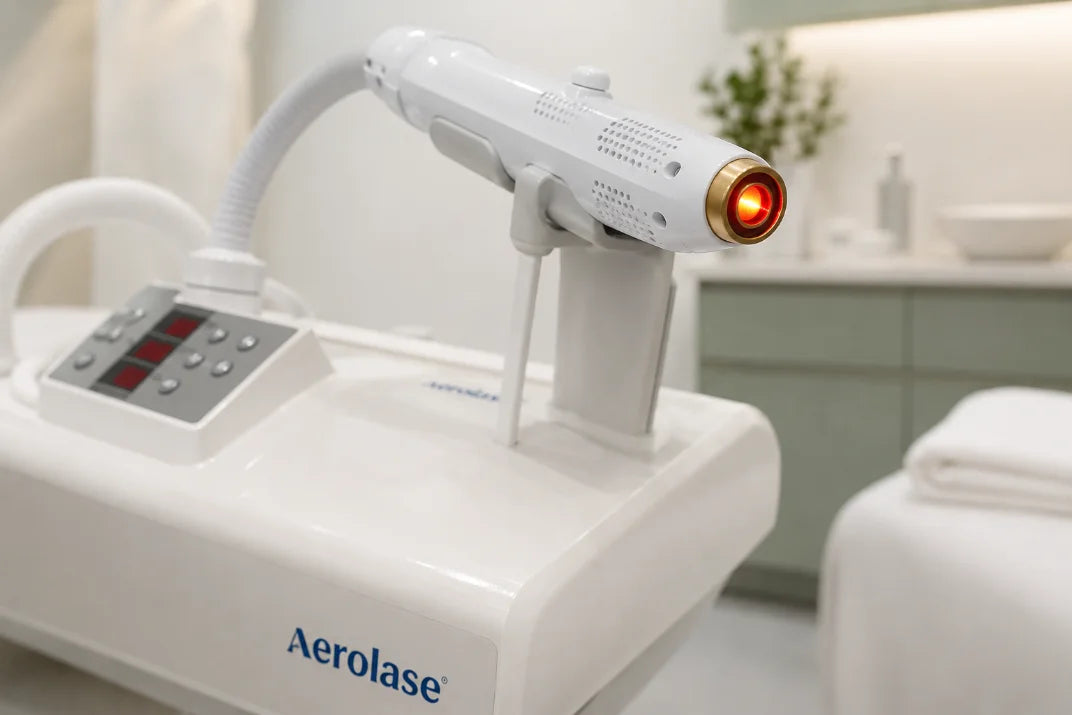
For more intensive collagen stimulation, microneedling or Aerolase laser sessions can be coordinated alongside peels for a more comprehensive approach.
Chemical Peels by Patient Profile and Skin Concern
Peel selection is determined by your concern, your skin type, and your tolerance for downtime. The protocol your specialist recommends will reflect all three.
Patients Who Need No Downtime
BioRePeel is built for patients who cannot take a week off for visible peeling. The biphasic formula delivers real cellular renewal and bio-stimulation with no social downtime. Results are visible within the first week and continue improving over four to six weeks. Monthly sessions deliver cumulative improvement without ever requiring a recovery period.
This protocol also suits patients who are new to peels and want to see how their skin responds before committing to a more aggressive formulation. It is an excellent entry point.
Patients with Melanin-Rich Skin
Chemical peels are safe for melanin-rich skin when the formula, concentration, and application technique are matched to the Fitzpatrick type. The risk of post-inflammatory hyperpigmentation is real with aggressive formulations, but it is preventable with the right selection. Our providers assess your skin before every peel and will not recommend a protocol that carries a meaningful PIH risk for your specific type.
Mandelic acid and BioRePeel are typically first-line choices for Fitzpatrick types IV through VI. See our skin of color treatments page for the full approach.
Patients Treating Acne and Post-Acne Scarring
Salicylic peels address active acne through follicular penetration and anti-inflammatory action. For the scarring and PIH that follow after acne clears, the choice depends on skin tone. Lighter Fitzpatrick types can often progress to medium-depth peels for more significant collagen remodeling. Darker types benefit from a layered approach with gentler formulations over a longer series.
For atrophic acne scars that need structural improvement, microneedling with PRF is typically more effective than peels alone. Many patients use chemical peels for ongoing maintenance between microneedling sessions.
Ready to find out which peel is right for your skin? Call us at (424) 478-0522 or book a skin consultation. Your specialist will assess your Fitzpatrick type, your concern, and your schedule before recommending any protocol.
Explore Our Full Range of Services
Chemical peels are one part of what we do. Browse the complete menu of treatments available across all JASI Skin + Wellness locations.
Aerolase
Aerolase® Laser TherapyLaser Hair Removal
Laser Hair RemovalPRF & EZ Gel
PRF & PRP TreatmentsMicroneedling
MicroneedlingHair Health
Hair RestorationAreas We Serve
JASI Clinic, Los Angeles
11695 National Blvd.
Los Angeles, CA 90064
JASI Clinic, Torrance
21250 Hawthorne Blvd, Suite 170 - Studio 107,
Torrance, CA 90503
JASI Clinic, Las Vegas
8861 W Sahara Ave, Suite 190
Las Vegas, NV 89117
See What Our Customers Have To Say

Ready to Get Started with JASI Skin + Wellness Med Spa?
Call (424) 478-0522 to speak with our team directly. We’re ready to answer your questions, walk you through your options, and help you find the right solution for your needs. Whether you’re just starting to plan or ready to move forward, we’ll make the process simple and stress-free.
Reach out today and let’s talk about how we can help.
Frequently Asked Questions
Comprehensive skin analysis during consultation identifies appropriate acid types, concentrations, and treatment protocols based on concern severity and individual characteristics. Practitioners match formulation properties to specific issues for optimal outcomes. Your Fitzpatrick skin type is one of the most important factors in that selection.
Downtime varies substantially depending on peel depth, ranging from no visible peeling for BioRePeel to one week of obvious shedding for medium-depth treatments like VI Peel or TCA. Practitioners provide specific expectations based on selected protocol at your consultation.
Treatment quantity depends on concern severity, selected peel depth, and desired outcome degree. Superficial peels typically require four to six sessions, while medium-depth treatments may produce substantial improvement in one to three applications. BioRePeel used monthly produces cumulative improvement over a longer series.
Appropriate formulation selection, pre-treatment preparation, and post-care protocols allow safe application across diverse Fitzpatrick types. Practitioners adjust treatment intensity and ingredients to minimize post-inflammatory hyperpigmentation risk. Mandelic acid and BioRePeel are typically first-line options for Fitzpatrick types IV through VI.
Initial improvement appears within one week as exfoliated tissue sheds and fresh skin emerges. Progressive enhancement continues over subsequent weeks as collagen remodeling and cellular turnover effects develop. BioRePeel results continue building over four to six weeks after a single session.
Medium-depth formulations stimulate collagen production that improves atrophic scar appearance through tissue remodeling. Multiple sessions create progressive textural improvement, though severe scarring may respond better to microneedling with PRF as a primary modality, with chemical peels used for ongoing maintenance between sessions.